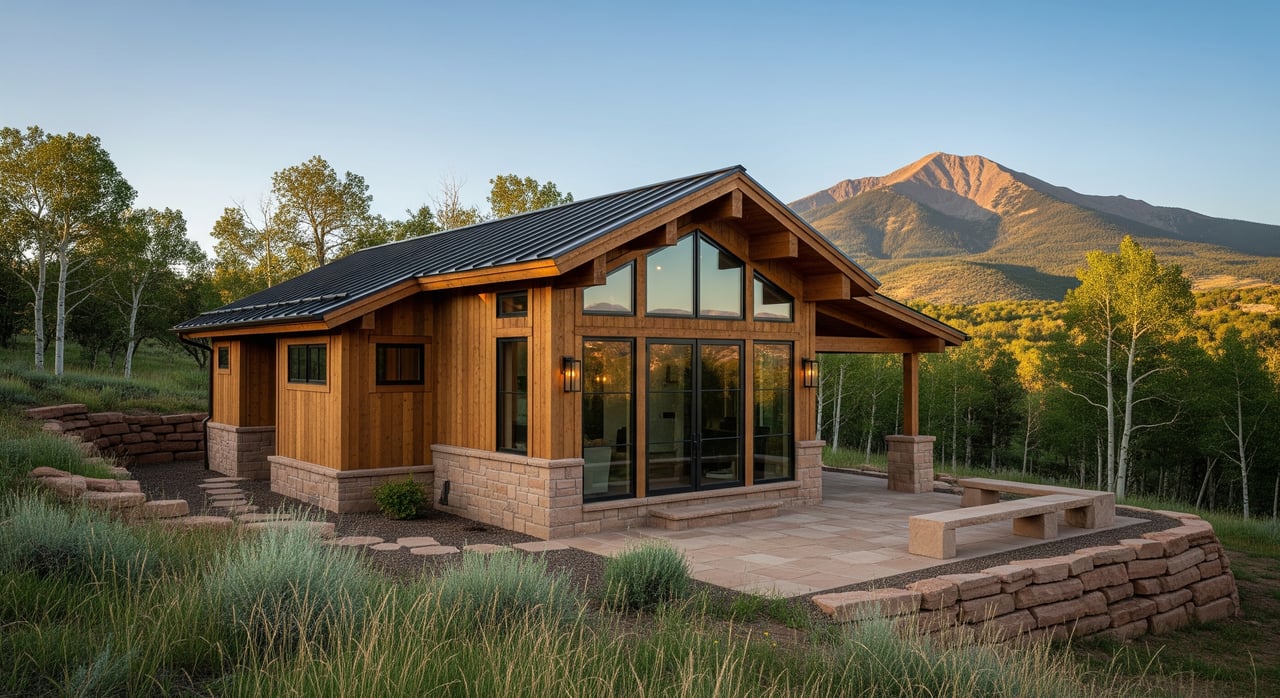
Thinking about adding a guesthouse or rental on acreage near Hesperus? In rural La Plata County, an ADU can create flexibility for family, long-term rental income, or future resale value. The path is doable, but the details matter, especially with wells, septic, fire safety, and county reviews. In this guide, you’ll learn the basics, the county topics to confirm, the permitting path, and the resources to help you plan with confidence. Let’s dive in.
What counts as an ADU?
An accessory dwelling unit is a secondary, independent home on the same parcel as your main house. It has its own living, sleeping, cooking, and bathroom space. Utilities can be shared or separate.
Common ADU types you’ll see near Hesperus include:
- Attached ADU: a basement, garage conversion, or addition connected to the main home.
- Detached ADU: a separate structure, often called a carriage house or guesthouse.
- Junior ADU (JADU): a small unit within the main home. Whether JADUs are defined or allowed depends on local rules.
- Converted accessory building: turning an existing barn, shop, or garage into a habitable unit.
Local rules control size, setbacks, height, parking, and how many units you can have. In rural areas, utility capacity and access often drive the design.
Why rural Hesperus ADUs differ
On larger parcels west of Durango, the county may be flexible about placement. Still, your well, septic system, driveway access, and wildfire risk will shape what is possible. The county will look closely at water supply, wastewater capacity, safe access for emergency vehicles, and environmental constraints.
In short, a successful plan balances your layout with the realities of rural infrastructure. Getting early feedback from county staff and technical pros saves time and cost.
La Plata County rules to check
Rules can change. Start with the county’s planning and building pages from La Plata County’s official site to confirm current land use regulations, forms, and contacts.
Zoning and land use
Find your property’s land use or zoning designation. Zoning controls whether an ADU is a permitted accessory use or needs a discretionary review, such as a conditional use approval. Rural residential and agricultural areas can have different standards.
Lot size and unit limits
Confirm minimum lot size and how many dwellings are allowed on one parcel. Some areas cap total units or treat accessory units differently for density.
Size, height, and placement
Ask about maximum ADU square footage and building height for accessory structures. The county aims to avoid visual impacts on neighbors, preserve rural character, and maintain clear separation between structures.
Setbacks and lot coverage
ADUs typically follow accessory structure setbacks. Verify front, side, and rear yard distances, and check any lot coverage or impervious surface limits before you finalize a site plan.
Parking and access
Know the parking rules for an ADU, including on-site space and driveway standards. For rural parcels, review safe access, driveway width, turnarounds, and sight distances with County Engineering or Road and Bridge staff.
Water and wastewater systems
If you have a private well and septic, these are critical. ADUs can push existing septic capacity, often triggering evaluation and design upgrades. County Environmental Health will expect septic feasibility and may require engineered solutions and reserve area. For wells, verify yield and legal use through the Colorado Division of Water Resources. Statewide septic guidance is available from CDPHE.
Fire and building code
Hesperus sits in a wildland-urban interface setting. The county may require defensible space, adequate access, and other fire safety measures. New or converted ADUs must meet building code and pass inspections. The Colorado State Forest Service offers defensible space best practices you can apply early in design.
Environmental and other overlays
Check for floodplains, wetlands, steep slopes, or habitat areas. If oil and gas or geologic hazards are mapped, extra review may apply. To screen flood risk, review the FEMA flood map service.
Short-term rentals and taxes
If you plan to use an ADU as a short-term rental, rules vary by zone and may require licensing, registration, and local lodging taxes. Adding an ADU can also affect your property assessment, so touch base with the county assessor through the county website.
Covenants and HOAs
Private covenants can be stricter than county code. Get CCRs and HOA rules early in due diligence to avoid surprises.
Your permitting path near Hesperus
Every parcel is different, but most rural ADU projects near Hesperus follow a similar path. Use this as a framework for your conversations with county staff and your design team.
Pre-application due diligence
- Confirm zoning and whether an ADU is allowed as an accessory use.
- Order a current survey to verify setbacks, easements, and lot lines.
- Request a soils and septic feasibility review, plus a well capacity and water-rights check.
- Review county GIS layers for floodplain, slope, or habitat overlays.
Land use approvals
- Some ADUs are allowed by right and need only building permits if they meet standards.
- If not by right, you may need a conditional use permit, administrative approval, or site plan review.
- If setbacks or standards cannot be met, a variance may be required.
Technical designs and permits
- Building permit with architectural drawings, structural details, energy compliance, and egress.
- On-site wastewater permit for new or upgraded septic design through Environmental Health.
- Well documentation to confirm legal use and adequate supply through the Colorado Division of Water Resources.
- Road or driveway permits with County Engineering for new access or upgrades.
- Addressing and utility coordination for power, gas, and meters.
Inspections and occupancy
- Building inspections for footings, framing, trades, and final.
- Septic system inspection and final approval before occupancy.
- Certificate of occupancy from the county before leasing or move-in.
Timeline and costs
Rural ADU timelines range from several weeks to multiple months. Discretionary reviews, septic design and construction, and utility extensions can extend schedules. Costs vary widely based on scope, but septic upgrades often represent a significant portion of rural ADU budgets.
Quick checklist
- Zoning and use: is an ADU allowed by right or with review?
- Size, height, and setback limits for an ADU on your parcel.
- Septic capacity and soil suitability for added bedrooms or occupants.
- Well yield and water rights for an additional dwelling unit.
- Access standards: driveway width, turnarounds, and sight distances.
- Fire district needs: defensible space and emergency access.
- Short-term rental rules and local lodging taxes if renting short-term.
- HOA or CCR restrictions on accessory units.
- Tax and insurance impacts for a second dwelling.
- Professional team: planner, septic designer, surveyor, architect, builder, and possibly a water rights attorney.
Practical resources
- Start with the county’s planning, building, environmental health, and assessor offices via La Plata County’s official site.
- Statewide wastewater regulations and guidance: Colorado Department of Public Health and Environment.
- Well permits, water rights, and well records: Colorado Division of Water Resources.
- State housing and planning resources: Colorado Department of Local Affairs.
- Floodplain screening: FEMA Flood Map Service Center.
- Wildfire mitigation and defensible space: Colorado State Forest Service.
- Rural development programs: USDA Rural Development.
- County snapshot data for context: U.S. Census Bureau data for La Plata County.
Final thoughts and next steps
An ADU near Hesperus can be a smart, flexible addition to your property. The key is to confirm zoning, design around your well and septic limits, and plan for fire and access from the start. A brief pre-application conversation with county staff, paired with early septic and well evaluations, will set a clear path.
If you want a property that already fits your ADU goals, or you are weighing the resale and rental upside of an ADU on land you own, our boutique team can help you evaluate the options. For local guidance that blends hands-on transaction support with deep knowledge of rural La Plata County, reach out to Southwestern Colorado Property Pros.
FAQs
Are ADUs allowed on rural acreage near Hesperus in unincorporated La Plata County?
- It depends on zoning and parcel conditions, so confirm with county planning to see if an ADU is allowed by right or requires discretionary review.
Can I use an ADU as a short-term rental in La Plata County?
- Rules vary by zone and may require licensing and local lodging taxes, so verify current requirements with county staff before you plan for STR use.
How does a septic system affect building an ADU near Hesperus?
- ADUs can exceed existing septic capacity, and Environmental Health may require evaluation, engineered upgrades, and reserve area before approval.
Do I need a new well permit to serve an ADU in rural La Plata County?
- You must confirm well yield and legal use with the state, and the Colorado Division of Water Resources can guide permit and water-rights questions.
How long does it take to permit and build an ADU on acreage?
- Timelines range from weeks to several months, with septic design, discretionary reviews, and utility extensions often adding time to rural projects.
Which professionals should I hire for an ADU project near Hesperus?
- Plan on a land use planner, septic designer or engineer, surveyor, architect, and builder, plus a water rights attorney for complex well or water-rights situations.