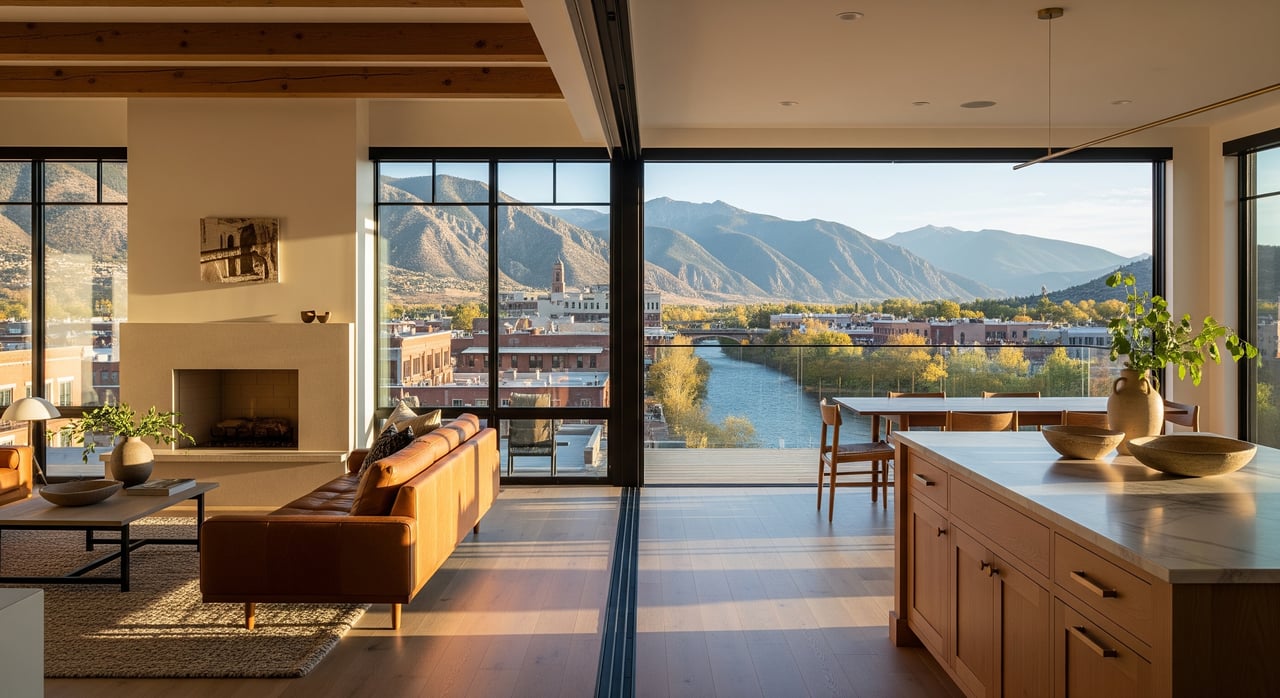
Wonder what day-to-day life feels like when you live steps from Main Avenue and the Animas River? If you are weighing an in-town address against a more rural mountain setting, the details matter. You want a walkable routine, easy access to the outdoors, and a realistic sense of seasonal rhythms. This guide breaks down everyday living in downtown Durango so you can picture your lifestyle, make smart tradeoffs, and move forward with confidence. Let’s dive in.
Downtown Durango at a glance
Downtown centers on historic Main Avenue and the blocks that stretch toward the Animas River. You find a compact spine of shops, restaurants, galleries, and services with short blocks of mixed residential streets nearby. The result is a small-town, walkable core where many daily errands are close by.
The Durango & Silverton Narrow Gauge Railroad depot sits at the edge of downtown and shapes the feel of the area during warmer months. Visitor activity peaks in summer and the shoulder seasons, which affects crowds, parking, and hours. The rest of the year, downtown functions as the region’s everyday service hub with a steady local rhythm.
Walkability and daily errands
Downtown Durango is set up for short trips on foot. You can grab coffee, meet friends for dinner, browse galleries, and take care of personal services within a few blocks. Pharmacies and fitness studios are part of the mix, which makes it easy to keep a simple routine.
Full-service grocery stores and larger retail are generally just outside the historic core. You will find small markets and specialty food shops downtown, but if a major supermarket within a few minutes’ walk is essential to you, confirm the exact distance for the block or building you are considering.
Getting around: transit, bikes, and parking
Durango Transit bus service
City buses connect downtown with nearby neighborhoods and outlying areas. Service levels vary by route and season, with more frequent runs on the main corridors. If transit is part of your routine, review routes and schedules for the lines nearest to your address and time of day.
Bike lanes and trail connections
Bike lanes and the regional trail network make two-wheeled trips practical during warmer months. The Animas River Trail provides an off-street connection between neighborhoods, parks, and downtown, and it is popular with commuters and recreational riders alike. Many residents use bikes for short errands when the weather is favorable.
Parking realities
On-street parking and municipal lots serve most downtown destinations. During high-visitor periods like summer weekends, festival days, or when the train is busiest, spaces can be tight and enforcement more active. If you rely on regular car use, check your specific block for permit requirements, time limits, and loading zones.
Outdoor access from your front door
The Animas River and its trail
The Animas River is a defining part of downtown life. Riverside parks, green spaces, and public access points support walking, jogging, biking, fishing, and casual river time. The Animas River Trail ties these spaces together and gives you an easy route for daily movement without using a car.
Parks and quick escapes
Small parks and riverfront lawns dot the edges of downtown, offering picnic space, dog walking, and spots for community events. In summer, residents often do short river floats using public put-in and take-out locations. These near-home amenities make it simple to get outside even on busy weekdays.
Weekend options: skiing and trailheads
If you love winter, Purgatory Resort is the closest major ski area and a typical day trip for downtown residents. Drive times vary with weather and road conditions, so plan accordingly. Trailheads for hiking, trail running, and mountain biking sit a short drive from downtown, with both low-elevation routes and higher ridge options throughout La Plata County.
Housing types and what to expect
Historic homes, condos, and more
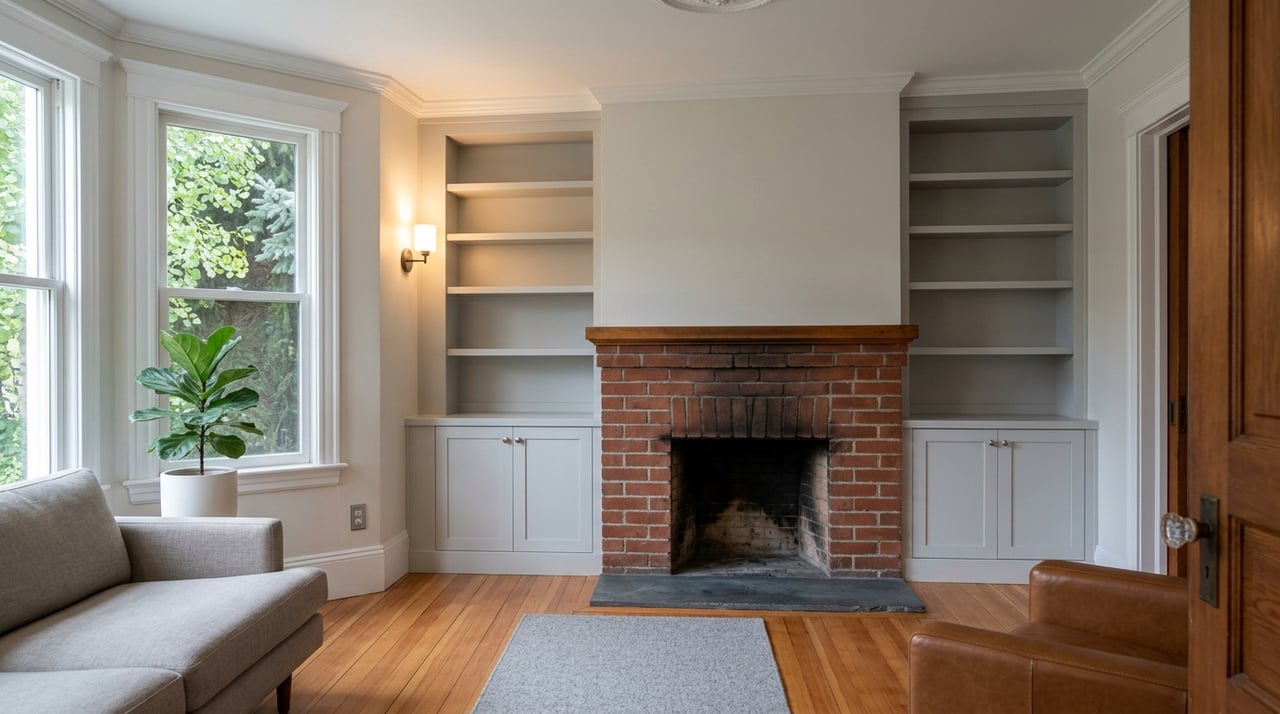
Housing in and near the core is diverse. You will see historic single-family homes on smaller lots, duplexes, townhomes, and condominiums, along with adaptive-reuse apartments above storefronts. Newer infill and small multi-family buildings exist but are limited by historic-district and zoning factors, so vertical living and compact footprints are common.
Availability and price dynamics
In-town homes and condos often carry a higher price per square foot than rural or suburban properties. The premium reflects convenience and proximity to amenities. Inventory downtown is usually tight, with fewer listings and faster timelines, so you may face limited options and quicker decisions.
Utilities, inspections, and services
Downtown properties are served by city water, sewer, trash, and street maintenance. Older homes can have legacy systems, so you should plan inspections that look at sewer lines, plumbing, and insulation to confirm how the property handles winter conditions. Healthcare, clinics, and the regional hospital are within the city, and families typically fall within Durango School District 9-R boundaries. Verify school zones and enrollment details for any specific address.
Seasonality and lifestyle rhythms
Summer energy
Summer brings the highest visitor volume. Outdoor dining expands, the farmers market and festivals fill the calendar, and the railroad operates at peak activity. Business hours often extend, sidewalks buzz, and parking can be competitive, especially on weekends.
Fall, winter, and spring
Fall is quieter but still lively, with cultural events and ideal trail weather. Winter has a distinct feel centered on skiing and local festivities like Snowdown. Downtown stays active year-round, though some businesses adjust hours or menus. Spring is a shoulder season with variable weather, spring runoff on the river, and a gradual return to outdoor routines.
Considerations: environment and noise
River-adjacent parcels in some areas may sit within FEMA-designated floodplains. If you are evaluating a property near the water, review flood maps and insurance implications. Wildfire risk and seasonal smoke are regional considerations as well, given the mix of urban edges and nearby wildlands.
Noise is part of the downtown tradeoff. Train operations, festivals, restaurant patios, and seasonal traffic can raise sound levels at times. If quiet is a top priority, walk the block at different hours and on different days to get a true feel.
Downtown vs rural: the tradeoffs
Pros of downtown living:
- Walkable access to cafes, restaurants, galleries, and daily services.
- Shorter commutes to jobs, cultural events, and community activities.
- Strong municipal services and close proximity to healthcare and schools.
Potential tradeoffs:
- Smaller private yards and fewer large parcels.
- Higher cost per square foot with limited inventory.
- Tourism-related noise, parking pressures, and seasonal crowds.
A smart buyer checklist for downtown
Use this quick list to focus your search:
- Commute and routine: How far is it to your work, school, grocery store, and favorite trailheads?
- Hazards: Is the property near the river or in a mapped floodplain, and what are the insurance requirements?
- Parking and rules: What are the on-street rules, permit needs, HOA fees, and any historic-district guidelines?
- Systems and winter readiness: How do heating, plumbing, and insulation perform in cold weather?
- Transit and winter reliability: What routes serve your block, and how does service change by season?
Is downtown Durango a fit for you?
If you want a walkable lifestyle, quick access to the river and trails, and a lively year-round scene, downtown Durango delivers. You trade yard size for convenience and accept a seasonal pulse that comes with living in the heart of a historic mountain town. With tight inventory and varied housing types, having clear priorities and a local advisor can streamline your search.
If you are considering an in-town move or comparing downtown with a rural home, we are here to help you weigh the tradeoffs and find the right fit. Request a personalized Durango market consultation or a free valuation with Southwestern Colorado Property Pros.
FAQs
What is daily walkability like in downtown Durango?
- Many coffee shops, restaurants, services, and small markets sit within a few blocks, while full-service groceries are generally just outside the core.
How does parking work during peak tourism seasons in downtown Durango?
- On-street spaces and municipal lots fill faster on summer weekends and festival days, and enforcement can be more active, so plan for extra time or alternative modes.
What outdoor recreation can I access from downtown without driving?
- You can reach riverside parks and the Animas River Trail on foot or by bike for walking, jogging, riding, fishing, and casual river time.
What housing types are common and how competitive is the market?
- You will find historic homes on smaller lots, townhomes, condos, and apartments over storefronts, with limited inventory that can move quickly.
Are there environmental or noise factors near the river or railroad?
- River-proximate parcels may be in mapped floodplains, and train activity, festivals, patios, and seasonal traffic can raise noise levels at certain times.