If you want mountain space without being in the middle of a busy resort town, Placerville deserves a closer look. Buying here can make sense if you value privacy, acreage, and corridor access, but it also comes with a very different housing mix and due diligence process than you may find in larger markets. This guide will help you understand what Placerville offers, how it compares with Ridgway and Telluride, and what to watch for before you buy. Let’s dive in.
Why Placerville Stands Out
Placerville is a very small, unincorporated community in San Miguel County at the junction of CO 145 and CO 62. According to Census Reporter’s ACS profile for Placerville, the community has an estimated population of 333, with 160 households and 178 housing units.
That small scale shapes daily life. Rather than a full-service town center, Placerville is better understood as a quiet down-valley community with shared county amenities like the restored Placerville Schoolhouse and Down Valley Park. If you are looking for a lower-density setting on a major Telluride access corridor, that can be a strong fit.
Placerville Location Benefits
One of Placerville’s biggest advantages is where it sits. CDOT corridor planning documents identify SH 62 as the route from Placerville to Ridgway, a 23.4-mile corridor, and CO 145 as the 12.75-mile route between Telluride and Placerville.
That road position matters if you want access in both directions. SH 62 is described by CDOT as a major commuter route and part of the San Juan Skyway Scenic and Historic Byway. In practical terms, Placerville gives you a rural setting while keeping you connected to nearby destinations for work, recreation, and services.
Housing Types You’ll Find
If you are hoping for a broad mix of condos, townhomes, and entry-level homes, Placerville may feel limited. Point2’s Placerville demographic summary shows that 94.9% of housing units are detached single-family homes, while only 5.1% are in two-unit structures.
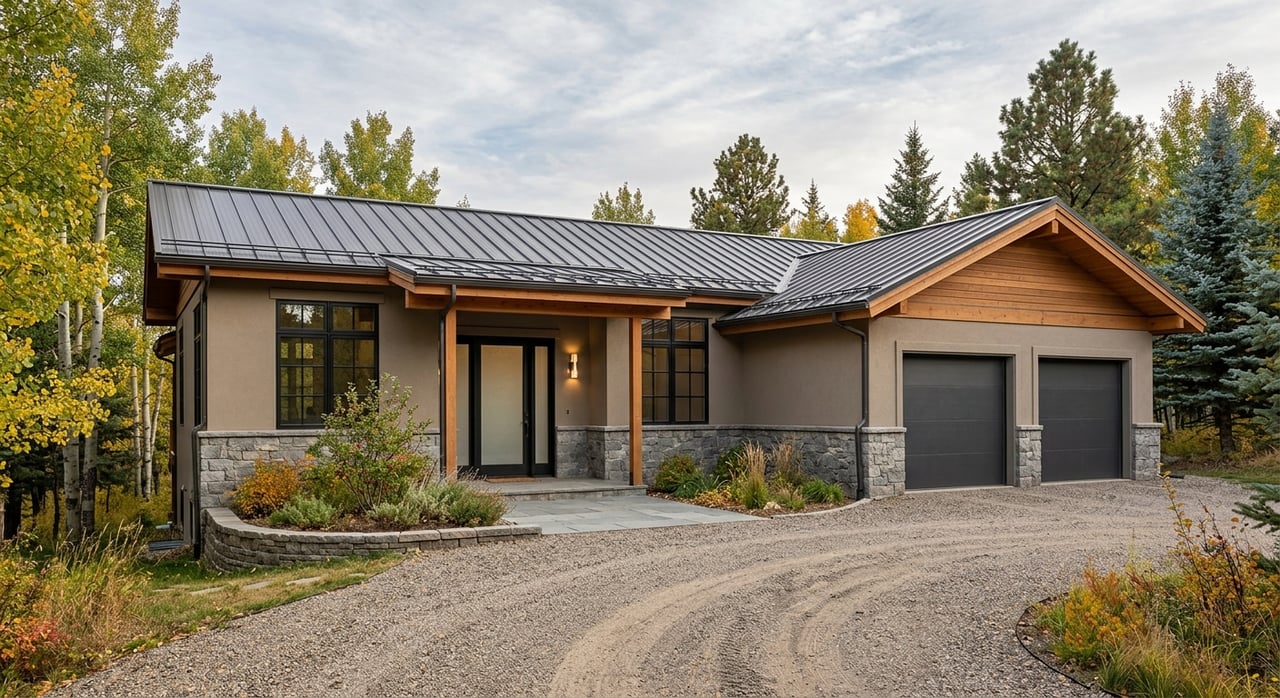
The housing stock also tends to be older rather than brand new. The same Point2 summary shows no homes built since 2020, with a large share of homes built from the 1980s through the 2000s. For many buyers, that means the market leans toward custom mountain homes, established residences, and acreage properties instead of new subdivision inventory.
What Pricing Can Look Like
Placerville is a small market, so pricing can look inconsistent depending on the source and the types of properties currently listed. Realtor.com’s Placerville overview reported a median listing price of $2.495 million in March 2026 and 54 homes for sale, while the same research set notes Zillow’s home value index at about $1.29 million with 14 units in inventory.
That spread is a useful reminder. In a thin market with larger homes, luxury properties, and sizable land parcels, headline numbers may not tell the whole story. You will want to evaluate value based on the specific property type, acreage, improvements, access, and utility setup rather than assuming one market-wide price point applies to every listing.
Land and Acreage Are Common
Placerville often appeals to buyers who want room to spread out. The research report notes that current listings commonly include land parcels ranging from about 20 to 101 acres, and some may be no-HOA, off-grid, or bordered by public land, based on the active listing mix summarized through Point2 and Realtor.com.
That can be a major draw if you want privacy and a stronger connection to the surrounding landscape. It also means Placerville tends to attract buyers looking for a custom mountain property, a second-home retreat, or a land-focused purchase that needs a more detailed review process.
Compare Placerville, Ridgway, and Telluride
Placerville often gets attention from buyers choosing between Ridgway and Telluride. It can be helpful to think of it less as a simple middle ground and more as its own rural corridor market.
| Area | Median Listing Price | General Feel |
|---|---|---|
| Placerville | $2.495M | Rural, low-density, Telluride corridor |
| Ridgway | $1.0915M | Different regional market with lower reported median listing price |
| Telluride | $3.295M | Higher-priced resort market |
These figures come from Realtor.com’s March 2026 market data. The key takeaway is that Placerville is not automatically a budget alternative to Telluride. It may offer more space and a quieter setting, but it still sits in a high-value mountain corridor.
Daily Life in Placerville
Placerville is a better fit for some lifestyles than others. County and corridor planning materials describe this area as one where rural, mountain, and agricultural character matter, while residents still rely on commuter access, tourism activity, public lands, and farm-to-market movement, according to CDOT’s Gunnison Valley corridor profile.
Local amenities reflect that smaller scale. The research report highlights Down Valley Park, which includes picnic areas, restrooms, sports fields, and a pollinator garden, as well as the Angell Lode Natural Area trailhead on the east side of Placerville. San Miguel County is also studying a 3.4-mile Down Valley Connector Trail from Placerville to the M59 River Trail beyond Sawpit.
If you want a walkable downtown experience or a deep inventory of attached housing, Placerville may not check those boxes. If you want open space, corridor access, and a quieter daily environment, it may be worth serious consideration.
Commuting From Placerville
Commute planning is an important part of buying here. SMART’s Down Valley schedule shows weekday service between Placerville and the Telluride Courthouse, with Placerville departures at 7:05 AM, 8:30 AM, 12:15 PM, and 5:50 PM, plus return service later in the day.
For buyers who may need broader corridor options, SMART also operates Ridgway-to-Telluride vanpools and buses, including a Ridgway pickup at 6:40 AM and an evening return around 5:50 PM. SMART notes that weather and road conditions can cause delays, so it is wise to think through your seasonal transportation plan before you commit to a purchase.
What Land Buyers Should Check
Raw land and rural properties usually require more diligence than a finished home. According to San Miguel County’s addressing information, vacant land in unincorporated areas such as Placerville is typically addressed during development review, and road access plus OWTS or septic review can be part of the process.
That means you should look closely at:
- Legal and physical access
- Septic or OWTS requirements
- Utility availability and off-grid considerations
- Development review timelines
- Site-specific constraints that affect buildability
For many buyers, this is where local guidance adds real value. A property that looks simple online may involve multiple layers of review once you start evaluating access, infrastructure, and development potential.
Who Placerville Fits Best
Placerville tends to work well if you are drawn to space, privacy, and a custom mountain property. Based on the housing composition and listing mix in the research report, it is especially relevant for buyers who want acreage, larger homes, or a lower-density setting with access to Telluride and Ridgway.
It may be a weaker fit if your priority is convenience to a town center, a wide range of turnkey attached homes, or a highly predictable, high-inventory market. In other words, Placerville is often about finding the right property and lifestyle match, not just checking off a standard search filter.
How to Buy Smart in Placerville
Because inventory can be limited and property types vary, a focused strategy helps. Start with your non-negotiables and separate them from features that are simply nice to have.
A smart Placerville home search often includes these steps:
- Define whether you want a finished home, a remodel opportunity, or raw land.
- Confirm how often you need access to Telluride, Ridgway, or other nearby destinations.
- Review road access, utility setup, and seasonal considerations early.
- Compare properties by use case, not just by price per square foot.
- Plan for extra diligence if the property includes acreage, off-grid systems, or development potential.
If you are buying remotely or juggling multiple mountain-market options, having a local team that understands acreage, resort-region dynamics, and transaction logistics can make the process much smoother.
Placerville can offer a compelling balance of space, scenery, and corridor convenience, but it rewards buyers who go in with clear expectations. If you want help comparing properties, evaluating land questions, or building a search around your goals in Southwest Colorado, connect with Southwestern Colorado Property Pros.
FAQs
What kind of homes are most common in Placerville, Colorado?
- Detached single-family homes are the dominant housing type in Placerville, with very limited two-unit housing and little evidence of new construction since 2020.
How does Placerville, Colorado compare with Telluride for homebuyers?
- Placerville generally offers a quieter, more rural setting with access to Telluride via CO 145, but it is not automatically a low-cost alternative based on current median listing price data.
How does Placerville, Colorado compare with Ridgway for buyers?
- Placerville is a low-density Telluride-corridor market with reported median listing prices above Ridgway’s March 2026 median, so the choice often comes down to property type, location priorities, and lifestyle fit.
What should land buyers know before buying in Placerville, Colorado?
- Land buyers should expect added diligence around access, addressing, and OWTS or septic review, especially for vacant parcels in unincorporated areas.
Is there public transit from Placerville, Colorado to Telluride?
- Yes, SMART provides weekday Down Valley service between Placerville and the Telluride Courthouse, though schedules can be affected by road and weather conditions.