Snow sits longer, nights run colder, and the sun hits harder at 7,700 feet. If you are new to Ouray or managing a second home here, you feel those differences fast. You want a place that is comfortable, efficient, and safe through long winters and quick thaws. In this guide, you will learn practical, high‑altitude maintenance tips, a clear seasonal checklist, and how to hire mountain‑ready pros. Let’s dive in.
Why altitude changes maintenance
Ouray’s San Juan Mountain setting means colder temps, big day‑night swings, and prolonged snow cover. These conditions increase freeze and thaw cycles that stress roofs, masonry, and drive surfaces. They also raise the risk of ice dams and heavy snow loads. For general climate context and seasonal outlooks, check updates from NOAA and the Colorado Avalanche Information Center if your property sits near steep slopes.
Roof, snow, and ice: first line of defense
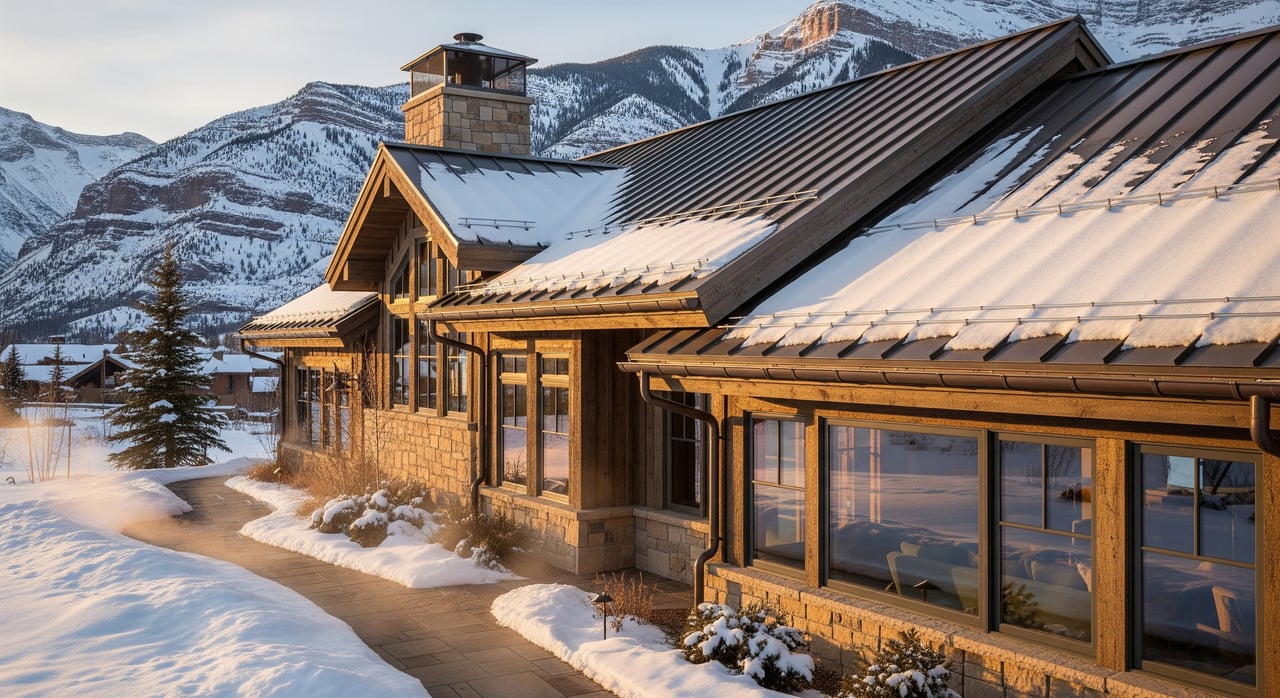
Keeping your roof dry and balanced is your top winter priority. Start with an annual pre‑winter inspection that covers shingles or panels, flashing, attic insulation and ventilation, and gutters. Improving attic air sealing and insulation, while maintaining balanced ventilation, helps prevent the heat leaks that feed ice dams. The U.S. Department of Energy’s Energy Saver guidance is a solid reference for insulation and air sealing basics.
Clear gutters and downspouts before freeze. In early storms, use a long‑handled roof rake from the ground to pull small accumulations off eaves. For heavy, compacted snow or long bands of ice, hire pros who use steam or low‑impact techniques. Chiseling can damage roofing. If you see sagging or unusual deflection after a big storm, pause and get a structural assessment before taking action.
Ice dam mitigation
If ice dams form, manage the symptom and the source. Professionals can remove ice with steam or controlled mechanical methods. Then address attic air sealing, insulation levels, and ventilation to reduce repeat problems. Energy Saver resources on ice dam prevention and insulation can help you discuss options with your contractor.
Safety first on roof work
Roof work is high risk in winter. Professional crews should follow safety standards and use proper protection. You can learn more about safe practices and contractor responsibilities through OSHA.
Heating and safe occupancy
A reliable heating system protects your comfort and your pipes. Schedule annual service in autumn so your furnace, boiler, heat pump, or stove is ready before the first deep freeze. Look for technicians with recognized qualifications such as NATE certification, and keep chimneys or flues clean with a sweep certified by the Chimney Safety Institute of America if you use wood or other solid fuels.
Install and test carbon monoxide detectors and smoke alarms before winter. Replace batteries or confirm that hardwired units are working. For general health guidance on carbon monoxide, see the CDC’s safety information.
Second‑home settings that prevent freeze
If the home will sit vacant, set thermostats to a safe minimum, commonly 55°F, and use smart controls for remote checks. Either fully winterize the plumbing or keep the heat on and arrange periodic local check‑ins. For peace of mind, add leak sensors and low‑temperature alerts.
Driveway, access, and de‑icing
Plan access early. Confirm your plow contractor’s response times, service boundaries, and where they will place snow. Before winter, clear culverts and drainage outlets so water does not pool and refreeze on your drive.
Choose traction and de‑icers with care. Some salts can damage concrete, metal, plants, and even septic systems. The Colorado State University Extension recommends lower‑chloride options, like calcium chloride, used sparingly, and sand for traction where chemicals are not desirable.
Plumbing, wells, and septic safeguards
Mountain homes often have vulnerable runs of pipe in crawlspaces, garages, or exterior walls. Insulate those lines and add heat tape on trouble spots following manufacturer instructions. Protect wellheads and pressure tanks in insulated or heated enclosures. For septic systems, keep access clear of heavy snow piles and watch for unusual surface ice during thaws, which can signal drainage issues.
Know where your main water shutoff is and how to use it. Keep a plumber’s number handy and store basic supplies like pipe insulation sleeves and a spare length of heat cable for emergencies.
Insulation, windows, and ventilation
Good envelope performance pays off at altitude. Inspect your attic for even insulation depth and obvious air leaks around lights, fans, and chases. Seal penetrations, then top up insulation as needed. Service or weatherstrip exterior doors and windows, and confirm that soffit and roof vents are clear so your attic stays cold and dry, not warm and damp.
Backup power and monitoring
Storms can knock out power, which can shut down heat, well pumps, or sump systems. If your setup is sensitive, consider a standby generator installed with a transfer switch by a licensed electrician. For safe portable generator use and carbon monoxide awareness, review FEMA’s generator safety guidance. Add remote monitors for temperature, leaks, and tank levels if you manage the home from afar.
Seasonal checklist for Ouray homes
Pre‑winter: August to October
- Inspect roof, flashing, and gutters; clear debris and confirm downspout extensions.
- Service heating equipment; schedule chimney or flue cleaning if used.
- Air seal attic penetrations and verify insulation and ventilation balance.
- Grade or repair drive surfaces, and clear culverts and drains.
- Line up snow removal and fuel delivery; top off tanks or set automatic service.
- Test carbon monoxide and smoke alarms; confirm smart thermostat access.
Early winter: November to December
- Verify snow retention systems and safe roof‑rake strategy.
- After first big storms, check for ice dams and rake eaves if needed.
- Confirm plow response expectations and designated snow storage areas.
Mid‑winter: January to February
- Monitor roof load after back‑to‑back storms and hire pros for heavy removal.
- Keep access clear; reapply traction material as needed.
- Watch fuel levels and test backup power.
- Look for ice buildup near foundations and vents during check‑ins.
Spring thaw: March to May
- Inspect the roof for damage or signs of past ice dam leaks.
- Clean gutters and downspouts as ice recedes.
- Assess driveway, drainage, and foundation for freeze‑thaw damage, and schedule repairs.
- Service well or septic components if indicated by use and inspection.
Summer: June to August
- Complete bigger projects like roof replacement, insulation upgrades, and resurfacing.
- Trim trees and remove overhanging limbs; address erosion on slopes.
How to hire mountain‑ready contractors
Ask whether the company is licensed and insured for work in Ouray County and if they have references for steep, high‑snow jobs. For roof snow removal and ice dam work, confirm they use steam or other low‑damage methods. For HVAC service, look for NATE credentials. For chimney service, choose a sweep certified by the CSIA. For driveway work and snow removal, ask about response times during multi‑storm periods and where they will place snow to protect drainage. When in doubt about roof safety or access, refer to OSHA guidance and insist on proper protection.
Local permitting and hazard awareness
Some structural changes, generator installs, or major roof work can require permits. Contact the Ouray County building and planning departments before you begin. If your home sits near steep slopes or gullies, monitor seasonal hazard information from the Colorado Avalanche Information Center and stay aware of access and snow loading that might affect outbuildings.
Ready to build a plan for your Ouray home or considering a mountain move? We live and work in Southwest Colorado and can connect you with trusted local pros while guiding you through a smooth purchase or sale. Reach out to Southwestern Colorado Property Pros for attentive, concierge‑style support.
FAQs
How often should you remove roof snow in Ouray?
- Remove small accumulations from the ground with a roof rake after big storms, and hire professionals for heavy, compacted loads or if you see ice dams or any sign of sagging.
What prevents ice dams in Ouray’s climate?
- Air seal the attic, improve insulation, keep ventilation balanced, and clear gutters; for active ice, use professional steam removal and address the attic heat leaks that caused it.
What is the best winter strategy for an Ouray second home?
- Either fully winterize the plumbing and shut water off or keep heat at a safe minimum with remote monitoring and scheduled local check‑ins during vacancy.
Are driveway de‑icers safe for Ouray homes and septic systems?
- Use lower‑chloride products like calcium chloride sparingly and rely on sand for traction where possible, since sodium chloride can harm concrete, plants, and septic components.
When should you call a structural engineer after heavy snow?
- If you notice roofline sagging, unusual beam or rafter deflection, interior cracking, or repeated heavy storms with new settling or sounds, get a professional assessment before repairs.